


Andhra Pradesh is emerging as a solar powerhouse in India. With abundant sunshine and supportive government policies, the state is witnessing a solar revolution. In this article, we explore the future of solar energy in Andhra Pradesh and how it's transforming the energy landscape.

Abundant Solar Resources
Andhra Pradesh receives an average of 300 sunny days per year, making it one of the most suitable regions in India for solar energy generation. The state has a solar power potential of approximately 38.5 GW, which is significant considering India's target of 100 GW of solar capacity by 2022.
Government Initiatives
The Andhra Pradesh government has been proactive in promoting solar energy through various policies and incentives. The state's solar policy aims to promote widespread use of solar power in both grid-connected and off-grid applications. Key initiatives include:
- Net metering policies that allow consumers to sell excess solar power back to the grid
- Subsidies for residential and agricultural solar installations
- Dedicated solar parks and special economic zones
- Streamlined approval processes for solar projects
Growth in Residential Solar
Residential solar installations are gaining popularity across Andhra Pradesh as homeowners recognize the long-term economic and environmental benefits. With decreasing solar panel costs and increasing electricity tariffs, the return on investment for residential solar systems has become increasingly attractive.
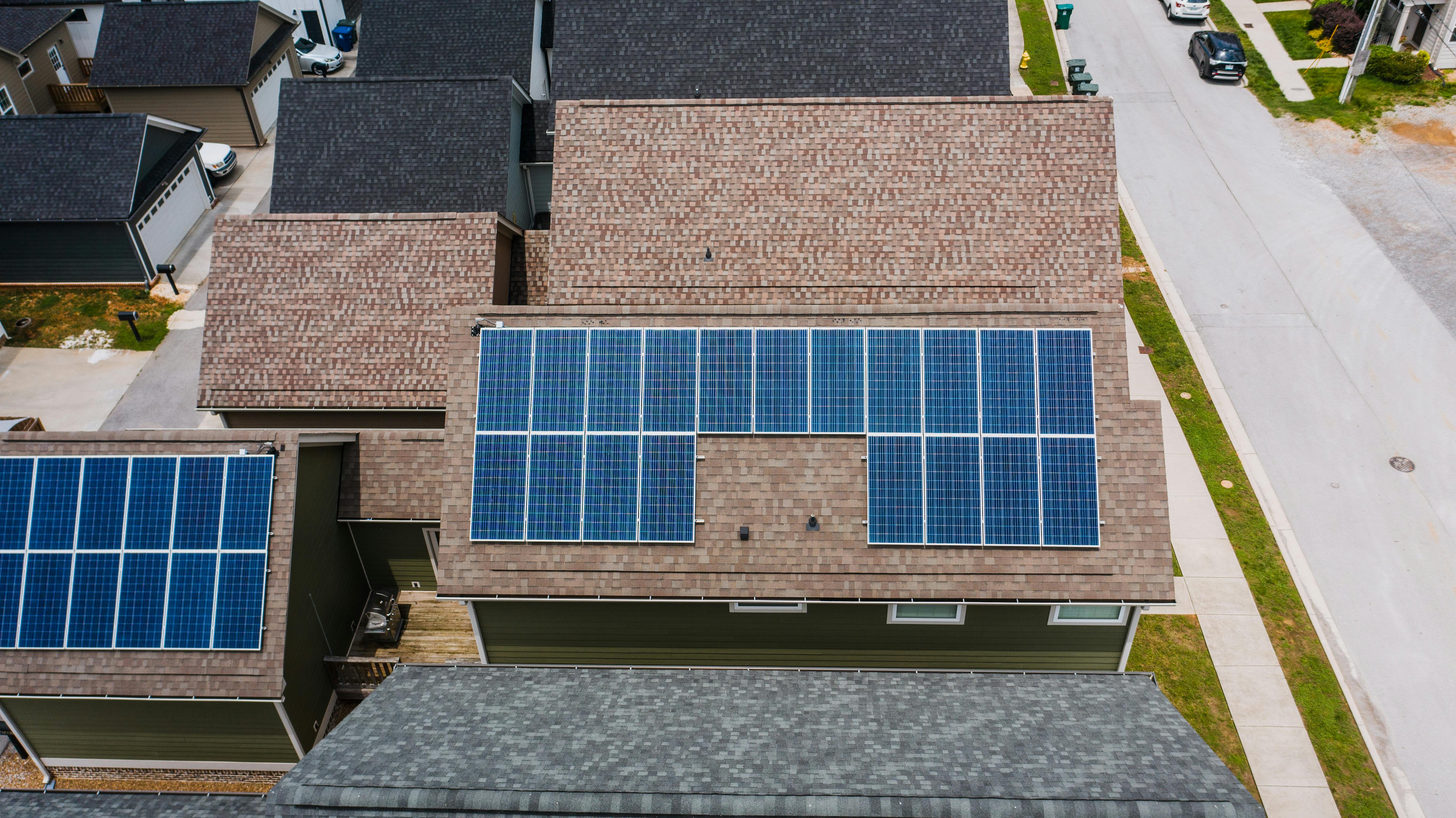
A typical 5kW residential solar system in Andhra Pradesh can:
- Generate approximately 7,300 kWh of electricity annually
- Save homeowners up to ₹70,000 per year on electricity bills
- Pay for itself within 4-5 years
- Provide clean energy for 25+ years
Commercial and Industrial Applications
Businesses across Andhra Pradesh are increasingly turning to solar energy to reduce operational costs and enhance sustainability. Industries with high daytime energy consumption, such as manufacturing, retail, and hospitality, are particularly well-suited for solar adoption.
Commercial solar installations offer numerous benefits:
- Significant reduction in electricity costs
- Protection against future electricity price increases
- Enhanced corporate social responsibility profile
- Reduced carbon footprint
Agricultural Solar Solutions
Agriculture is a vital sector in Andhra Pradesh, and solar energy is revolutionizing farming practices. Solar-powered irrigation systems are helping farmers reduce dependence on diesel generators and unreliable grid electricity.
Benefits of agricultural solar solutions include:
- Elimination of fuel costs for irrigation
- Reliable water supply for crops
- Increased crop yields and farm income
- Reduced carbon emissions
Challenges and Opportunities
Despite the promising outlook, the solar sector in Andhra Pradesh faces several challenges:
- Initial high capital costs
- Limited awareness among potential consumers
- Technical challenges in grid integration
- Land acquisition issues for large-scale projects
However, these challenges also present opportunities for innovation and growth. Emerging technologies such as floating solar plants, solar-wind hybrids, and improved battery storage solutions are opening new avenues for solar deployment.
Conclusion
The future of solar energy in Andhra Pradesh looks bright. With supportive policies, decreasing technology costs, and increasing awareness, solar energy is poised to become a major component of the state's energy mix. As solar adoption continues to grow, it will not only help meet the state's energy needs but also contribute to a cleaner, more sustainable future.
At Kohinoor Enterprises, we are committed to being at the forefront of this solar revolution, providing high-quality solar solutions to homes and businesses across Andhra Pradesh.
